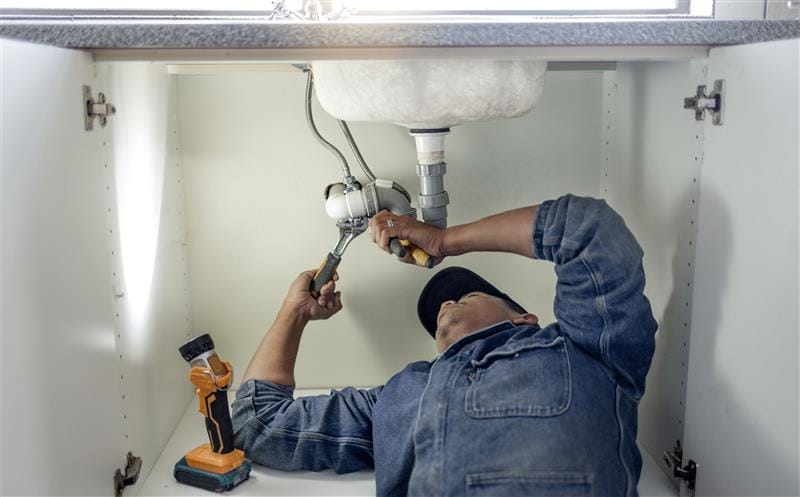
We act as a commercial plumber for many local and residential businesses
Water Heater Repair & Installation in Campbell, CA
Hot water is an essential part of modern living. From a warm shower in the morning to running the dishwasher after dinner, your water heater works silently in the background to provide comfort and sanitation. When this system fails, it is immediately noticeable and highly disruptive. At Campbell Plumbing and Air Pros, we specialize in comprehensive water heater repair and installation services. We are dedicated to ensuring that the residents and businesses of Campbell have reliable access to hot water year round.
Water Heater Repair and Installation in Campbell, California
Hot water is one of those things you stop noticing when it works and remember immediately when it does not. A cold shower on a January morning, a kitchen sink stuck on lukewarm during dinner cleanup, or a water heater quietly leaking onto the garage floor while the family is on vacation. Water heater work is one of the call categories we run most often across Campbell, and we have seen just about every way these units can fail.
We are your local Campbell Plumbing and Air Pros, a direct service plumbing and HVAC company based right here in town. Water heater repair, replacement, and tankless installation are routine for our team across every era of local housing. The 1960s ranch homes near downtown with original 40 gallon tanks in the garage. The newer townhomes by the Vasona light rail with high efficiency units. The remodeled bungalows off Bascom Avenue that have made the jump to tankless. We handle them all.
Whether your water heater is making strange sounds, leaking, struggling to keep up with morning showers, or finally past the point of repair, we are the trusted local water heater experts in Campbell. Reach out to us for assistance and we will get the hot water back where it should be.
Common Water Heater Problems We Fix in Campbell
Here are the water heater issues we see most often across the city, with the symptoms that point to each and the fix that actually solves it.
No Hot Water or Insufficient Hot Water
No hot water is the most common water heater call we run. The shower runs cold, the kitchen tap will not warm up, and the family quickly realizes how much they depend on the unit. Insufficient hot water is its cousin. The water gets warm but runs out halfway through a shower or never reaches the temperature you set the dial to.
Recognizing the Problem
- Completely cold water from every hot tap in the house
- Hot water that lasts only a few minutes
- Lukewarm water that never reaches a real hot temperature
- Hot water on one floor but not another
- Pilot or igniter that has gone out and will not relight
- Electric breaker for the water heater repeatedly tripping
- Recent change in dial setting that did not improve performance
- Older heater that has gradually lost capacity
- Cold spot in the line during long showers
We diagnose the actual cause rather than guessing. For gas units, we check the burner, thermocouple, gas valve, and venting. For electric, we test the upper and lower elements and thermostats. For tankless, we read fault codes at the unit and verify flow rate and gas pressure. Many calls that look like a dying water heater end up being a single component that brings the unit back for years.
Leaking Water Heater
A leaking water heater gets worse the longer it waits. A small drip at a connection is usually a quick repair. A leak from the body of the tank itself almost always means the unit has reached the end. Either way, locating the leak source quickly is the difference between a clean fix and a flooded garage.
Recognizing the Problem
- Visible water on the floor around the base of the heater
- Drip at the cold or hot water connection at the top
- Rust staining at the bottom of the tank
- Active drip from the temperature pressure relief valve
- Water in the drain pan under the unit
- Damp wall behind the heater
- Visible corrosion at the base where the tank meets the floor
- Smell of mildew near the unit
- Newer unit dripping at the discharge tube of the relief valve
We shut off water and gas or power before any work, then trace the leak to its actual source. A connection leak is usually a quick re seat with fresh fittings. A relief valve drip can mean the valve is failing or that system pressure is too high. A leak from the tank body itself means replacement, and we walk through tank or tankless options so you understand what you are choosing.
Tankless Water Heater Issues
Tankless systems behave differently than tank units and they fail differently too. Error codes, scale buildup from South Bay hard water, undersized gas lines, and venting problems are the typical culprits. A tankless unit acting up is rarely a total failure. It is almost always a service issue we can resolve.
Recognizing the Problem
- Error code flashing on the front display
- Hot water that flows for a few seconds then runs cold
- Cold water sandwich when multiple fixtures run
- Reduced flow rate compared to when the unit was new
- Strange smell from the venting during operation
- Unit shutting itself down mid use
- Tankless that has not been descaled in several years
- Older tankless past 12 years showing real fatigue
- Recent change in incoming water pressure or flow
We diagnose at the control board, where stored fault codes point directly to the failed component or condition. From there we descale the heat exchanger if scale is the cause, verify gas pressure at the inlet, inspect venting, and replace any components that have aged out. A well maintained tankless water heater can run 15 to 20 years. Skipping maintenance shortens that significantly.
Rusty or Discolored Hot Water
Brown, yellow, or reddish hot water is a symptom that often points back to the water heater rather than the supply lines. Rust inside the tank, a corroding anode rod, or sediment getting stirred up during use can all show up the same way at the fixture. The cause matters because the fix is very different in each case.
Recognizing the Problem
- Brown or yellow water from the hot side only
- Discoloration that clears after running the tap for a minute
- Rust colored water from every hot fixture in the home
- Metallic taste in the hot water
- Stained tubs and sinks from hot water use
- Older tank that has not been flushed in years
- Anode rod that has not been inspected since installation
- Sulfur or rotten egg smell along with the discoloration
- Worse discoloration first thing in the morning
We test the cold side to rule out a supply issue, then inspect the anode rod, flush the tank, and look inside for visible corrosion. If the anode is gone and the tank shows real rust, the unit is on borrowed time. If the anode just needs replacement and the tank is sound, that simple service often adds years of clean hot water.
Strange Noises from Water Heater
A water heater that has started making new sounds is telling you something. Popping, rumbling, or banging usually points to sediment at the bottom of the tank. High pitched whistling often means a relief valve or a restriction. None of these noises mean the heater needs replacement immediately, but they do mean something has changed.
Recognizing the Problem
- Popping or rumbling during normal operation
- Banging that has gotten louder over recent months
- High pitched whistle from the unit
- Hissing sound near the relief valve
- Clicking that did not used to happen
- Older tank in an established home with no flush history
- Hard water area where scale builds up quickly
- Noise that gets worse during heavy hot water use
- New noise after a recent power outage or pressure event
Sediment is the most common cause. The South Bay hard water deposits minerals at the bottom of the tank where they harden into a layer that traps water and makes the popping sounds during heating cycles. A flush often quiets the unit and restores efficiency. When the sediment is too thick to flush, we walk through whether deeper service or replacement makes more sense.
Pilot Light Problems (Gas Water Heaters)
A pilot light that will not stay lit is one of the more frustrating water heater issues because it produces an immediate no hot water situation. The pilot is supposed to stay lit between heating cycles. When it goes out repeatedly, the cause is usually the thermocouple, the gas valve, drafts at the burner, or an issue with the gas supply.
If you smell gas or suspect a gas leak, go outside immediately and call 911 – this is a serious emergency that needs urgent attention from the gas company.
Recognizing the Problem
- Pilot that will not stay lit after relighting
- Pilot that lights but burner does not engage
- Yellow flame instead of clean blue at the pilot
- Repeated trips to the garage to relight the unit
- Strong gas smell during attempted relight
- Pilot light that goes out during normal heating cycles
- Wind or drafts near the burner area
- Soot buildup visible at the burner
- Older heater showing wear at the gas controls
We test the thermocouple first because it is the most common cause and the easiest fix. If the gas valve is the issue, we replace it with the matched part. We also check combustion air and venting because pilot issues sometimes point to a larger combustion problem worth addressing.
Water Heater Not Turning On
A water heater that is completely unresponsive is a different problem than one that runs poorly. The unit is not getting power, gas, or the signal it needs to ignite. The fix depends on which side of the system has the issue.
Recognizing the Problem
- Electric breaker for the water heater tripped or off
- No flame visible through the inspection port on a gas unit
- Cold tank with no signs of recent heating
- Tankless unit completely dark with no display
- Smell of recently tripped electrical near the heater
- Gas shutoff valve in the off position
- Recent home electrical work near the water heater
- Unit that worked fine yesterday and is silent today
- Other connected appliances also showing issues
We test power at the unit, verify gas supply on gas heaters, check the upper element and high limit reset on electric tanks, and read any fault history at the control board on tankless units. Many no power calls end up being a tripped breaker or high limit reset that needs the underlying cause identified.
Sediment Buildup and Poor Performance
Sediment is the quiet killer of water heaters in this area. South Bay water leaves minerals behind every time the tank heats. Over years, those minerals settle as a layer of scale and silt at the bottom of the tank, where they trap water, reduce capacity, drive up energy use, and accelerate corrosion.
Recognizing the Problem
- Popping or rumbling during heating cycles
- Hot water capacity that has dropped over the years
- Rising gas or electric bills with no change in usage
- Longer recovery times between showers
- Tank that takes longer to deliver hot water at the tap
- Heater that has never been flushed in its service life
- Sediment visible during a partial drain
- Older unit with reduced overall performance
- Unit installed without a sediment trap on the gas line
A proper flush removes loose sediment and restores efficiency, but heavily sedimented tanks may not respond fully. When the buildup is severe and the heater is past 10 years, we have a real conversation about whether further service or replacement makes more sense.
Water Heater Repair vs Replacement in Campbell
Not every water heater problem calls for a new unit. A failed thermocouple, a leaking connection, a worn anode rod, or a stuck relief valve are real repairs that bring an otherwise healthy heater back to working order. We do plenty of water heater repair work because it makes sense when the tank itself has years of life left.
Replacement starts making more sense when the unit is past 10 to 12 years old, the tank body is leaking, recovery has dropped noticeably, or multiple components are failing at once. Spending real money on a 13 year old tank with rust at the base usually just delays the inevitable. We tell you straight which side of that line your unit sits on.
Tankless Water Heater Installation and Repair
Tankless water heaters have changed how a lot of homeowners think about hot water. Endless hot water on demand, smaller footprint, lower standby energy loss, and a longer service life than tank units. The trade off is install complexity. Gas line sizing, dedicated venting, proper electrical, and condensate handling on high efficiency models all matter.
For a new tankless water heater installation, we calculate actual hot water demand based on family size and simultaneous fixture use, then size the unit and gas line to support it. The number of homes that call us frustrated with a tankless that cannot keep up is significant. Almost all were installed without proper sizing or with an undersized gas supply.
For tankless repair, we read fault codes at the control board, descale the heat exchanger when needed, and replace failed components like flow sensors, igniters, and fans. A well maintained tankless unit installed correctly delivers many years of reliable hot water with annual or biennial descaling.
Water Heater Installation Services in Campbell
Installation quality determines how a water heater performs and how long it lasts. The same tank installed two ways can deliver very different results. Code compliant gas connections, proper venting, expansion tanks where the system is closed, correctly sized supply and discharge piping, and a drain pan in the right location all matter.
Our installation process starts with shutting off water, gas, and power, draining the old unit cleanly, and removing it without damaging the surrounding space. We set the new heater level, connect water with fresh dielectric unions where needed, run gas with proper sealing and a pressure test, install or update the relief valve discharge piping to code, and verify combustion or electric performance before sign off.
The result is an install that holds up over the full service life of the equipment.
Why Campbell Homeowners Choose Campbell Plumbing and Air Pros for Water Heater Service
Real Diagnosis Instead of Default Replacement
Some companies push replacement on every water heater call. We do not. A homeowner near the Pruneyard called us after another company told her she needed a new tankless unit because of repeated error codes. We came out, descaled the heat exchanger, replaced a failing flow sensor, and her existing unit has been running cleanly for two years since.
Tankless Specialty Experience
Tankless installation and repair reward technicians who understand the equipment. We invest in ongoing training on the major manufacturers because tankless is a growing share of what we install. From gas line sizing to descaling to fault code interpretation, we work on these systems the way they want to be worked on.
Clean Installation Work
The quality of a water heater install shows up at a glance. Pipes straight and properly supported. Discharge tube from the relief valve routed correctly. Expansion tank installed in the right orientation. Venting clean and secured. That craftsmanship affects safety, performance, and service life.
Honest Repair Versus Replace Conversations
Every aging water heater eventually hits a decision point. Spend on the repair or plan a new unit. We give you a straight answer based on the actual condition of the tank, the age of the unit, and the cost of repair compared to replacement.
Local Response Times
Because we are based right here in Campbell, we are typically rolling toward your house within the hour for urgent calls like a leaking heater or a no hot water situation. Local truly means local when the garage floor is getting wet.
Our Water Heater Service Process in Campbell
1. The First Call
You talk to a real person, describe what is happening, and we set a clear arrival window. For active leaks, we also walk you through how to shut off the unit safely.
2. On Site Diagnosis
When we arrive, we listen first, then inspect and test using the right tools for the type of heater. Tank or tankless, gas or electric.
3. Clear Options Without Pressure
We explain what we found in plain language and walk through your options. Sometimes a small repair brings the unit back for years. Sometimes replacement is the right call.
4. Clean Repair or Installation
We complete the work cleanly, protect the surrounding space, and finish connections properly. For new installs, we leave the garage or mechanical area better than we found it.
5. Test and Walk Through
Before we leave, we run the unit through real water draw, verify temperature, check for leaks, and walk you through anything to know going forward. The job ends with a clear handoff.
Water Heater Service Area in and Around Campbell, California
We are based in Campbell and we handle water heater work across the South Bay. Our service area includes Campbell, San Jose, Los Gatos, Saratoga, Cupertino, Santa Clara, and Monte Sereno. Within the city we work regularly in the neighborhoods around Campbell Park, the Pruneyard, the Campbell Community Center, downtown along East Campbell Avenue, the streets off San Tomas Expressway, the area near Campbell High School, and the homes between Hamilton Avenue and Bascom Avenue.
Our trucks carry common parts and replacement units. Thermocouples, gas valves, anode rods, expansion tanks, flexible connectors, dielectric unions, and common tank sizes. That stocking strategy keeps most water heater calls from turning into return trips.
Professional Water Heater Repair vs DIY Attempts
Water heaters look approachable from the outside. A tank, a gas line, some plumbing connections, and a few controls. The trouble is what happens when one of those connections fails. The combination of pressurized water, gas, electricity, and combustion byproducts makes DIY water heater work a category where mistakes show up fast.
The most common DIY problem we get called to undo is a botched installation. Tanks installed without an expansion tank in a closed system, which leads to relief valve dripping and eventually a ruptured tank. Flexible gas connectors used where they should not be. Temperature pressure relief discharge piping routed upward or capped, which defeats the safety device entirely.
Gas connections are where DIY work gets riskiest. Improperly sealed joints, missing pressure tests, or undersized supply lines feeding a higher BTU unit can produce leaks, poor combustion, or a water heater that cannot reach temperature under load.
Then there is the diagnostic side. A heater making popping sounds usually does not need replacement, but a homeowner who has heard online that popping means a dying tank often replaces a unit that simply needed a flush. The opposite happens too. Homeowners reset a tripped relief valve repeatedly without realizing the valve is doing its job and the underlying pressure issue still needs attention.
When you hire a professional water heater team, you are paying for diagnostic accuracy, a code compliant install, and the safety verification that protects the home.
Plumbing Pro Services
Complete Plumbing Care for Your Entire Home
Whether it’s the kitchen, bathroom, or sewer line, we have the tools and training to handle any challenge your plumbing system throws at us.
We Deliver Expert Results
Don’t gamble with your plumbing. We combine years of experience with modern technology to deliver lasting repairs and installations. Our team respects your time and your property.
- Fixture Installation
- Leak Detection
- Modern Diagnostics
- Drain Cleaning
Frequently Asked Questions About Water Heater Repair and Installation in Campbell
How long should a water heater last in a Campbell home?
A standard tank water heater typically lasts 8 to 12 years. A tankless unit can run 15 to 20 years or more with regular descaling. The South Bay hard water shortens lifespan if maintenance is skipped.
Is a tankless water heater worth it for my home?
For many homes, yes. Tankless gives you endless hot water, takes up less space, and tends to outlast tank units. Gas line sizing and household demand are the main considerations, and we walk through both before recommending one.
How do I know if I need water heater repair or replacement?
Age and pattern of issues are the biggest signals. A unit under 8 years with a single failed component is almost always worth fixing. A unit over 12 years with rust, leaks, or multiple failures is usually past the smart repair point.
How long does a typical water heater installation take?
A like for like tank replacement usually takes two to three hours. Tankless installs run four to six hours depending on venting and gas line modifications. We give a realistic timeline up front.
Why is my hot water rust colored?
Common causes are a corroding anode rod or rust inside the tank itself. Sometimes it is sediment getting stirred up during heavy use. We test, inspect, and recommend either an anode replacement, a flush, or replacement depending on what we find.
Should I flush my water heater myself?
A simple flush is within reach for homeowners comfortable with the safety steps, but professional flushing is more thorough and includes inspection of the anode rod and other components. For older heaters, professional is the safer choice.
What size water heater do I really need?
It depends on family size, simultaneous fixture use, and household hot water habits. A family of four with two morning showers running together needs different sizing than a single person household. We calculate actual demand rather than guessing.
What does a popping sound from my water heater mean?
Almost always sediment at the bottom of the tank, which is normal hard water buildup. A flush often quiets the unit and restores efficiency. Continuing to run a heavily sedimented tank shortens its life.
How quickly can you respond to a leaking water heater?
For urgent leak calls in Campbell, we typically arrive within the hour. The faster we are there, the smaller the damage tends to be.
How do I find a reliable water heater company near me in Campbell?
Look for a local company with real reviews from your specific area, a direct service crew, and people who diagnose before recommending replacement. Tankless experience is another good sign for households considering the upgrade.
Will a new water heater lower my energy bills?
Often yes if the old unit is more than 10 years old. Modern tanks and especially tankless systems are noticeably more efficient than units from 15 or more years ago. The savings add up steadily over the life of the equipment.
Can you install a water heater I bought myself?
Yes, with the caveat that the unit needs to be appropriate for your gas supply, venting, and space. We recommend talking through the choice before purchase so the install goes cleanly.
Ready When the Hot Water Stops
A failed water heater is one of those things that turns a normal day into a problem fast. The whole reason we built Campbell Plumbing and Air Pros is so that when the unit fails, you have a local team that diagnoses accurately, repairs cleanly, and installs new equipment to last. Tank, tankless, gas, electric, repair or replacement, we cover the full range.
Contact us today to schedule water heater service or get help with an urgent problem. Your local plumbers are ready when you need us.
Zip codes we serve: 95008, 95009, 95011, 95014, 95030, 95032, 95050, 95051, 95054, 95070, 95117, 95124, 95125, 95128, 95129, 95130